Why is a Christian church hosting a far-right party’s conference?
The Emmanuel Centre, part of Emmanuel Church in Westminster, is today the venue for a major event run by Advance UK.
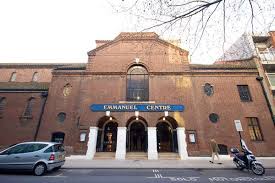
The Centre has so far failed to respond to concerned Christians and journalists who have asked why they are prepared to profit from hosting a racist party.
If you’re not familiar with Advance UK, they split from the far-right Reform UK, in part because they seemed to regard them as too soft and not right-wing enough. The main figure associated with Advance UK is Ben Habib, a former senior figure in Reform who fell out with Nigel Farage and went off to set up his own party.
Other Advance UK members include Rikki Doolan, a far-right Christian minister best known for his role in the reported conversion to Christianity of racist activist Tommy Robinson.
I cannot of course see into the hearts of Robinson and Doolan. It is not for me to judge the sincerity of their faith. What I can say is that I see no connection between the views they promote and the teachings of Jesus.
Doolan spoke at Robinson’s far-right “carol service” in London in December. He repeatedly attacks Muslims, refugees and LGBTQ+ people.
Meanwhile, you only have to look fairly briefly at Advance UK’s social media stream to see claims about refugees that can easily be demonstrated to be factually untrue. They confuse asylum-seekers with “illegal immigrants”, even though claiming asylum is entirely lawful and an internationally recognised human right.
As with most far-right parties, the one minority who they don’t attack is the rich and powerful.
Racism, deceit and demonisation of minorities are clearly at odds with the most basic aspects of Jesus’ teaching. Like many other Christians, I often fail to live up to the values that I believe in. I am not expecting all Christians to agree with me. The far-right’s misuse of Christianity, however, is a fundamental distortion of the Gospel. The Gospel of Jesus tears down barriers and upholds the value of all people, while the Bible is full of calls to welcome migrants and other people who are marginalised.
As a Christian, I believe in loving my enemies. I am not suggesting that members of Advance UK should be barred from churches. There is a big difference, however, between welcoming people as individuals (while also challenging them) and using your church to promote a party and their policies.
So why did the Emmanuel Centre think it was acceptable to host this party’s conference?
It won’t wash to say that Advance UK were simply booking a room in a conference centre. Most churches (and many other venues), have ethical lettings policies setting out who they will and won’t rent rooms too. It is inconceivable that a major conference centre in central London has given no thought to the question of who may be barred from hiring space there.
Even if they had allowed the Advance UK booking through naivety or incompetence, they have received emails and messages in recent days from a number of Christians expressing their alarm. Thus, while it’s hard to believe that the Emmanuel Centre’s managers were ignorant of the reality of Advance UK, it is literally impossible to believe that they still are.
The Emmanuel Centre urgently need to:
- Explain how they came to host Advance UK’s conference.
- Rule out hosting them in future.
- Publish their lettings policy and rule out all bookings by far-right groups.
At a time when the far-right is on the march, it is vital that Christians work with people of other faiths and none to resist fascism and racism. Far from resisting far-right groups, Emmanuel Church are promoting and profiting from them.
If you want to urge the Emmanuel Centre not to host the far-right again, you can contact them at enquiries@emmanuelcentre.com or on 020 7222 9191.

 Symon Hill